[ad_1]
Introduction
In the world of sports and fitness, performance isn’t solely determined by how hard you train—it’s also about how well you recover. Recovery is a critical but often overlooked aspect of athletic performance. Without proper recovery, athletes risk overtraining, injuries, and decreased performance. This article explores the science behind recovery and highlights essential techniques to help athletes maximize their results.
Why Recovery Matters
Recovery is the process by which the body repairs and strengthens itself after exercise. During intense training, muscles undergo microscopic damage, energy stores (glycogen) are depleted, and the nervous system is stressed. Proper recovery allows for:
- Muscle repair and growth – Essential for strength and endurance gains.
- Replenishment of energy stores – Restoring glycogen for sustained performance.
- Reduction of inflammation and soreness – Speeding up return to training.
- Mental recovery – Preventing burnout and maintaining motivation.
Without sufficient recovery, the body remains in a catabolic (breakdown) state, increasing the risk of overtraining syndrome, injuries, and performance plateaus.
Essential Recovery Techniques
1. Sleep: The Ultimate Recovery Tool
Sleep is the most effective way for the body to repair itself. During deep sleep stages, growth hormone is released, facilitating muscle repair and recovery. Experts recommend:
- 7–9 hours per night for most athletes.
- Power naps (20–30 min) to enhance cognitive and physical recovery.
2. Nutrition: Fueling Recovery
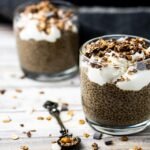
Post-exercise nutrition is crucial for replenishing energy and repairing muscles. Key principles include:
- Protein intake (20–40g post-workout) – Supports muscle protein synthesis.
- Carbohydrate replenishment – Restores glycogen levels.
- Hydration – Replaces fluids and electrolytes lost through sweat.
- Anti-inflammatory foods – Omega-3s (fish, flaxseeds), tart cherry juice, and turmeric can reduce muscle soreness.
3. Active Recovery & Mobility Work
Low-intensity movement helps flush out metabolic waste (like lactate) and improves circulation. Techniques include:
- Light cardio (walking, swimming, cycling at low intensity).
- Dynamic stretching and mobility drills.
- Foam rolling and self-myofascial release.
4. Cold and Heat Therapies
- Cold Therapy (Ice Baths, Cryotherapy) – Reduces inflammation and muscle soreness by constricting blood vessels.
- Heat Therapy (Saunas, Hot Baths) – Promotes circulation, relaxation, and flexibility.
5. Recovery Through Technology & Modern Techniques
Advancements in sports science have introduced new recovery tools:
- Compression garments – Enhance blood flow and reduce muscle stiffness.
- PEMF (Pulsed Electromagnetic Field) therapy – Stimulates cellular repair.
- Red Light Therapy – Aids in reducing inflammation and boosting muscle recovery.
6. Mental and Emotional Recovery
Stress management plays a key role in performance. Techniques include:
- Meditation and deep breathing – Lowers cortisol (stress hormone) levels.
- Visualization techniques – Helps athletes mentally prepare and recover.
- Periodic rest days – Prevents mental burnout.
Tailoring Recovery to Your Sport
Different sports require different recovery strategies:
- Endurance athletes need to focus on glycogen replenishment and joint recovery.
- Strength athletes benefit most from muscle repair techniques like protein synthesis and mobility work.
- High-intensity interval (HIIT) athletes should prioritize active recovery and nervous system relaxation.
Conclusion
Recovery is not passive—it’s an active and intentional process that determines long-term athletic success. By incorporating sleep optimization, proper nutrition, active recovery, and stress management, athletes can enhance performance, prevent injuries, and sustain peak condition.
Final Tip
Track your recovery just as diligently as your training. Listen to your body, and don’t hesitate to adjust your recovery strategies based on fatigue levels and performance feedback.
Would you like a customized recovery plan based on your sport? Let us know in the comments!
References:
- National Sleep Foundation
- Journal of Sports Sciences
- International Journal of Sports Physiology and Performance
Would you like any modifications or additional details?
[ad_2]