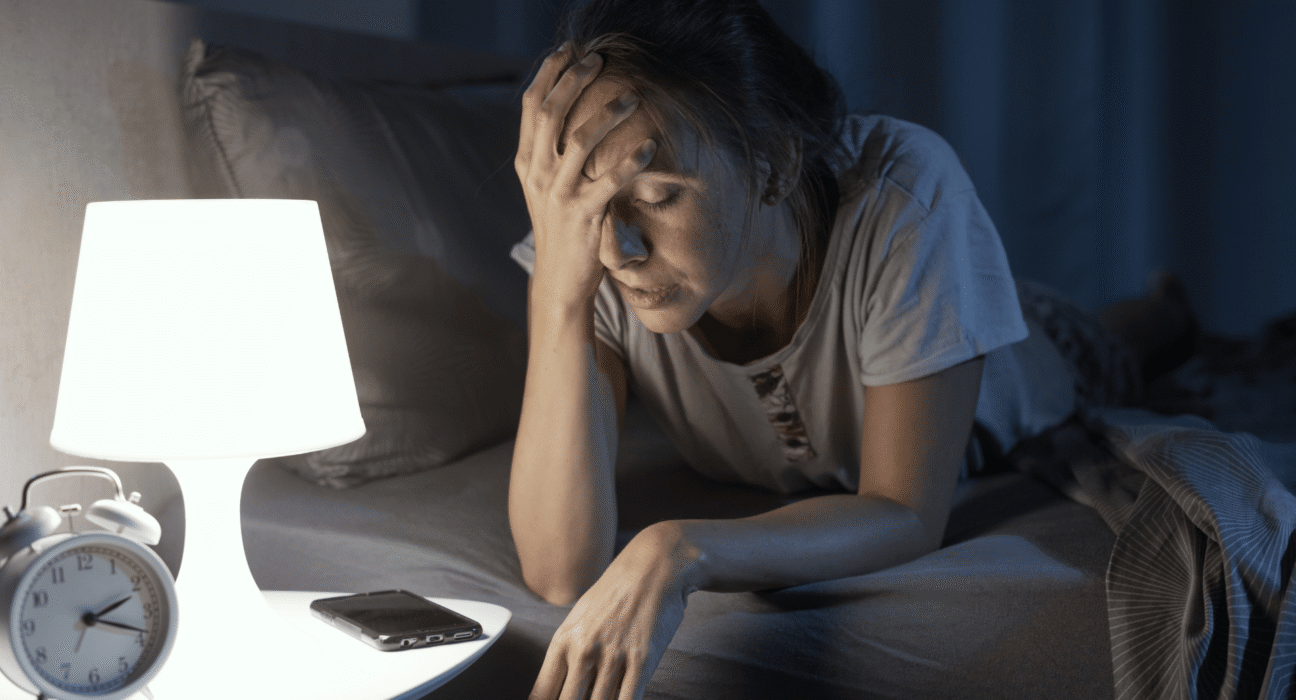
If you’ve been struggling with sleepless nights, jolting awake at 3 AM, or snoring so loud your partner threatens exile to the couch, you’ve probably tried everything—melatonin, blackout curtains, no coffee after noon. Yet, nothing truly fixes it. Here’s what most people don’t realize: the root cause of your insomnia could actually be your tongue.
Sounds strange, right? Let’s break it down.
The Hidden Connection Between Your Tongue and Sleep

Most of us think of the tongue only when it comes to speaking, eating, or brushing our teeth. But your tongue is also a gatekeeper for airflow when you sleep.
Here’s what happens:
- As we age, tongue muscles weaken.
- The tongue starts resting too far back in the mouth instead of staying suctioned to the roof.
- This backward position narrows your airway, a phenomenon researchers call an oxygen blockade.
- When oxygen flow drops during sleep, your brain panics, firing off stress hormones like adrenaline.
That’s survival mode. And survival mode is the opposite of restorative sleep. Instead of relaxing into deep, healing rest, your body’s on high alert—heart pounding, mind racing, jolting awake every time you finally drift off.
The Hypoglossal Nerve: The “Sleep Switch” in Your Tongue
Inside your tongue lies a tiny but crucial nerve called the hypoglossal nerve, which controls tongue posture.
In healthy sleep, this nerve pushes your tongue forward, keeping your airway open. But when it’s underactive—because of age, poor tongue strength, or stress—the tongue collapses back.
The result?
- Obstructed breathing
- Snoring
- Insomnia
- Sleep apnea
- Frequent night wakeups
Researchers at Harvard’s Mass General Brigham hospital and other leading universities have studied ways to stimulate this nerve. Surgical implants have shown dramatic improvements in sleep apnea and insomnia patients. But surgery is invasive, expensive, and not exactly appealing.
Why Sleep Aids Like Melatonin Often Fail
You might think, “Okay, but I’ll just take melatonin or sleeping pills.”
Here’s the thing:
- Melatonin only adjusts your sleep-wake cycle by a few minutes. It doesn’t fix oxygen blockage.
- Over time, high-dose melatonin can “fry” your brain’s receptors, making your body less responsive.
- Sleeping pills often sedate you without actually delivering restorative deep sleep.
It’s like painting over a crack in the wall without fixing the foundation.
This is why so many people still feel tired even after 8 hours of medicated sleep—the root cause remains untreated.
The Oxygen Blockade Quiz
Before you write this off, answer these questions honestly:
- Does your mouth often hang open when working or watching TV?
- Do you have bad breath, dry mouth, or frequent cavities?
- Is your posture slightly forward, as if your head juts out?
- Do you snore loudly at night?
- Do you feel restless, anxious, or wide awake when it’s time to sleep?
If you said “yes” to even one, there’s a good chance your tongue posture and weak tongue muscles are sabotaging your sleep.
The Science-Backed Fix: Breathing for Sleep
Luckily, you don’t need surgery or lifelong pills to correct this. Former U.S. Marine and neurosomatic therapist Zach Zenios developed a routine called Breathing for Sleep.
This program is designed to:
- Activate the hypoglossal nerve naturally
- Strengthen tongue muscles
- Restore healthy tongue posture
- Open your airway for better oxygen flow
The result? Falling asleep in two minutes and staying asleep through the night without jolting awake or snoring like a chainsaw.
How It Works
Targeted Tongue Movements
Simple exercises re-train your tongue to rest in the right position. Think of it as physical therapy for your mouth.
Breathing Techniques
A 10-minute bedtime routine switches your body from stressed survival mode to calm, parasympathetic “sleep mode.”
Nerve Activation
Specific exercises stimulate the hypoglossal nerve—what scientists call the “master sleep switch.”
This approach is backed by research from Harvard, Oxford, and the Journal of Sleep Research showing that stimulating the sleep nerve dramatically reduces insomnia and sleep apnea scores.
Why Strengthening Your Tongue Helps More Than Sleep Aids
Let’s get practical. A stronger tongue:
- Prevents airway collapse → Stops snoring
- Increases oxygen flow → Deep, restorative sleep
- Keeps your nervous system calm → Stops adrenaline surges at 3 AM
- Improves jaw position and reduces neck tension
It’s not just about sleep. Over time, better oxygenation supports:
- Brain health
- Heart function
- Mood regulation
- Daytime energy levels
No pill can give you those long-term benefits.
What You Get in the Program
When you try Breathing for Sleep, here’s what’s included:
- Coaching Video: Step-by-step breathing and tongue exercises
- Audio Routine: Guided session to use every night
- Handbook: Covers everything from optimal sleep positions to foods that boost deep sleep
- Bonuses:
- 10 Worst Sleep Mistakes (Video)
- Sleep Like a Baby Checklist
- The Truth About Melatonin (PDF)
The routine only takes 10 minutes, can be done lying in bed, and is gentle enough for all ages.
Try It Risk-Free
You might be skeptical—and you should be. Most “sleep hacks” promise miracles but deliver disappointment.
Here’s why this is different:
- Targets the real cause (oxygen blockade), not symptoms
- Backed by neuroscience and clinical studies
- Created by a licensed therapist, not a faceless supplement brand
- Covered by a 60-day money-back guarantee
Meaning, you can try it, see if you finally sleep like a normal person, and if not, you get your money back.
👉 Click here to see how it works and start tonight.
Final Thoughts: Sleep Isn’t Optional
Poor sleep wrecks everything—mental clarity, relationships, physical health. But it’s not your fault. The problem might be a tiny, overlooked nerve in your tongue that no doctor ever mentioned.
The good news is you can fix it naturally.
Thousands have already used this Breathing for Sleep routine to restore deep, peaceful sleep. If you’re ready to finally quiet your mind, stop waking up at 3 AM, and feel energized again, this is your chance.
👉 Try Breathing for Sleep here – risk-free for 60 days.
You deserve a night of real rest—and now you know where to start.